
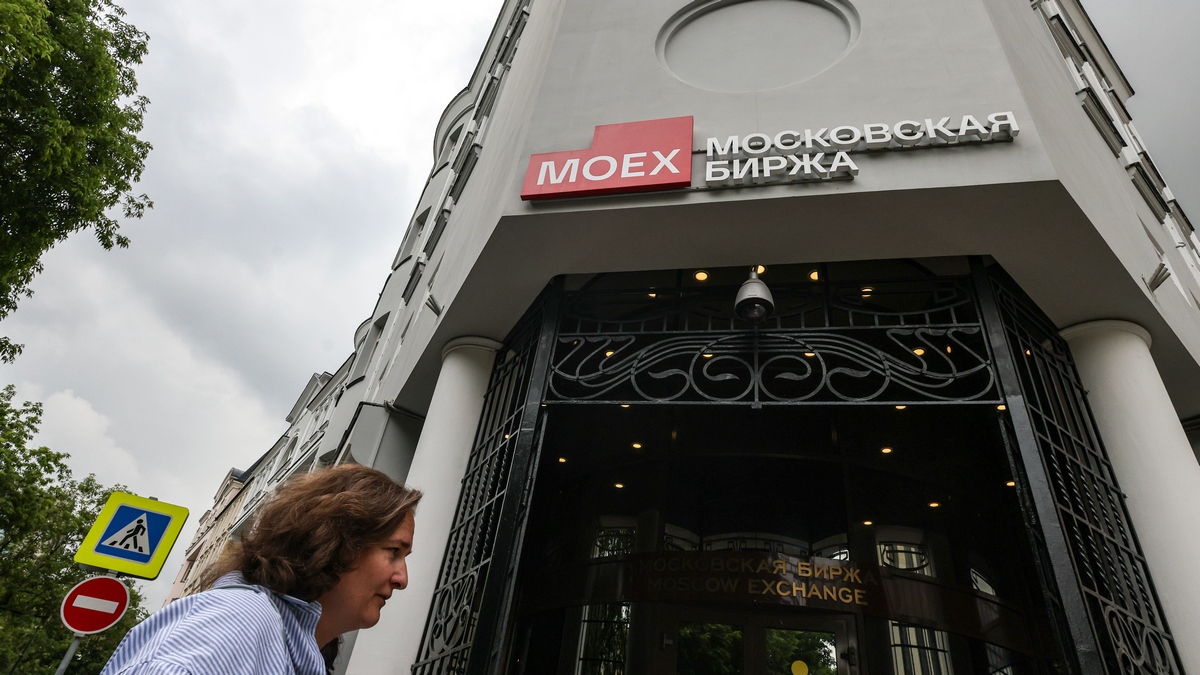
The Russian stock market suffered its most severe single-day decline since September 2022 on Monday, as investors reacted sharply to aggressive statements from Foreign Minister Sergey Lavrov and the Russian Ministry of Defense. The hawkish rhetoric effectively signaled the collapse of recent diplomatic efforts to establish a ceasefire in Ukraine, sending shockwaves through Moscow’s financial markets and erasing billions in market capitalization within hours of trading.
The Moscow Exchange’s benchmark MOEX index plummeted dramatically as traders rushed to sell off positions, reflecting deep concerns about the economic implications of prolonged military conflict. The sell-off was particularly pronounced in sectors most sensitive to geopolitical tensions, including energy, banking, and defense-related stocks. This marks a significant reversal from the cautious optimism that had briefly lifted Russian equities in recent weeks amid speculation about potential peace negotiations.
The Diplomatic Breakdown and Market Response
The market turbulence was triggered by statements from senior Russian officials that effectively ruled out any immediate prospect of a negotiated settlement to the ongoing conflict in Ukraine. Foreign Minister Lavrov’s comments, characterized by analysts as particularly uncompromising, dashed hopes that had been building around potential diplomatic initiatives. The Ministry of Defense simultaneously released statements reinforcing Russia’s military objectives, which investors interpreted as a clear signal that the Kremlin remains committed to its current course of action regardless of economic consequences.
Financial analysts in Moscow noted that the market reaction reflects a fundamental reassessment of risk among both domestic and remaining foreign investors. The September 2022 decline, which serves as the previous benchmark for such volatility, occurred during the announcement of partial military mobilization in Russia, an event that similarly shocked markets and prompted significant capital flight. The parallel is not lost on market observers, who point out that both instances represent moments when the prospect of conflict de-escalation suddenly evaporated.
Economic Context and Broader Implications
The Russian economy has been operating under unprecedented Western sanctions since February 2022, which have significantly complicated international trade and financial transactions. While the Kremlin has repeatedly claimed that the economy has adapted to these restrictions, the stock market’s violent reaction suggests that investor confidence remains fragile and highly sensitive to geopolitical developments. The ruble also experienced pressure in currency markets, though central bank interventions helped limit the damage.
The energy sector, which forms the backbone of the Russian economy and stock market, was hit particularly hard during Monday’s session. Major oil and gas companies saw their shares decline sharply as investors contemplated the possibility of extended conflict and potentially more stringent international restrictions on Russian energy exports. Banking stocks similarly suffered as concerns mounted about the sector’s exposure to geopolitical risk and the potential for additional sanctions targeting financial institutions.
Historical Perspective and Investor Sentiment
Since the beginning of the conflict in Ukraine, the Russian stock market has experienced extreme volatility, including a complete shutdown of trading for several weeks in early 2022. While markets eventually reopened and recovered some losses, the trajectory has been marked by sudden reversals tied to military and diplomatic developments. International investors have largely exited Russian positions, leaving the market dominated by domestic participants and state-connected entities, which has reduced overall liquidity and amplified price movements.
Market experts suggest that the current situation reflects a broader crisis of confidence among Russian investors who had hoped that 2024 might bring some resolution to the geopolitical tensions weighing on the economy. The abrupt shift in official rhetoric has forced a rapid recalculation of investment strategies, with many participants choosing to reduce exposure to equities in favor of safer assets. The central bank may face pressure to intervene more actively in markets should the volatility continue in coming sessions.
Expert Opinion: The severity of this market correction indicates that Russian investors had priced in significantly more optimism about diplomatic progress than the Kremlin’s actual position warranted. Looking ahead, we should expect continued volatility as the gap between market expectations and geopolitical reality remains wide. The key question now is whether authorities will implement capital controls or other extraordinary measures to stabilize markets, which could further isolate Russian financial markets from global capital flows.