
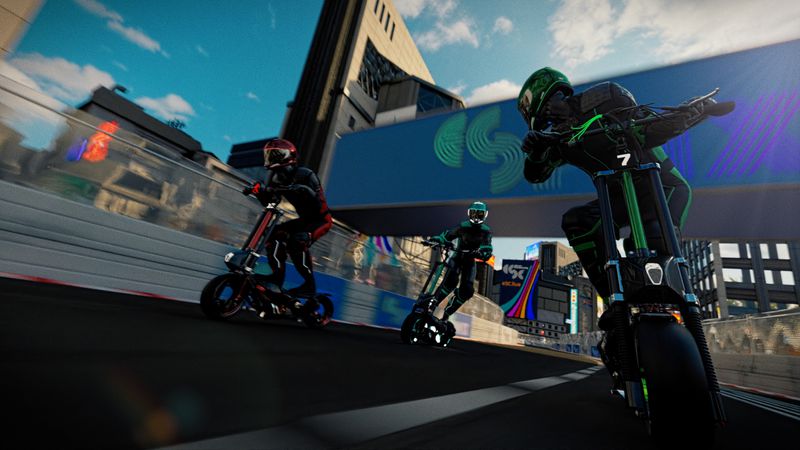
The world of motorsport is witnessing an unexpected evolution as Formula 1 drivers begin exploring unconventional racing formats. In a surprising development that has captured the attention of racing enthusiasts worldwide, a Formula 1 pilot has been spotted taking control of an electric scooter, signaling the emergence of a completely new competitive racing category. This innovative form of urban racing represents a significant departure from traditional motorsport, combining the thrill of high-speed competition with sustainable transportation technology.
The new electric scooter racing series was announced to launch in 2021, featuring vehicles capable of reaching speeds up to 100 kilometers per hour. Unlike conventional racing circuits, these competitions are designed to take place within existing urban infrastructure across several major cities worldwide. The races will utilize city streets and specially designated urban courses, bringing the excitement of professional racing directly to metropolitan centers where millions of spectators can witness the action firsthand.
The Rise of Micro-Mobility Racing
The concept of electric scooter racing represents a broader trend in the motorsport industry toward embracing sustainable and accessible forms of competition. As cities around the globe invest heavily in micro-mobility infrastructure, including dedicated scooter lanes and charging stations, the timing for such a racing series could not be more appropriate. The involvement of Formula 1 talent brings immediate credibility and star power to what might otherwise be dismissed as a novelty event. Industry analysts suggest that this crossover appeal could help legitimize electric micro-mobility as a serious technological platform worthy of competitive development.
Electric scooters have transformed urban transportation over the past several years, with companies like Lime, Bird, and Tier deploying millions of shared vehicles across hundreds of cities. However, the racing application pushes these machines to their engineering limits. Competition-grade electric scooters feature enhanced battery systems, reinforced frames, advanced suspension components, and sophisticated regenerative braking systems. The technical challenges of optimizing these compact vehicles for high-speed performance mirror many of the engineering puzzles faced in traditional motorsport, albeit on a smaller and more accessible scale.
Urban Racing and the Future of Motorsport
The decision to host races within urban environments reflects a growing recognition that motorsport must adapt to changing demographic preferences and environmental concerns. Traditional racing circuits often exist far from population centers, requiring significant travel for spectators. Urban racing brings the competition to the audience, potentially attracting younger fans who may never have attended a conventional motorsport event. The environmental message is equally significant, as electric scooter racing produces zero direct emissions and demonstrates the performance potential of battery-powered transportation.
Historical precedent for such innovation exists throughout motorsport history. Formula E, the all-electric open-wheel racing series, similarly began as an experimental concept before growing into a respected championship with major manufacturer involvement. The progression from novelty to legitimacy often depends on early adoption by recognized names in the sport, which explains the strategic importance of recruiting Formula 1 drivers as ambassadors and competitors. Their participation validates the competitive nature of the series while generating substantial media coverage that money alone cannot purchase.
Looking ahead, the electric scooter racing series could serve as a testing ground for technologies that eventually filter down to consumer products. Advances in battery efficiency, motor performance, and safety systems developed under racing conditions historically find their way into everyday vehicles. For the broader micro-mobility industry, currently valued at billions of dollars globally, a successful racing series could accelerate innovation cycles while building brand awareness and consumer confidence in electric transportation solutions.
Expert Opinion: The emergence of electric scooter racing with F1 driver involvement signals a fundamental shift in how motorsport views urban mobility and sustainability. This format could become a significant feeder series for talent development while serving as an innovation platform for micro-mobility technology. Within five years, we may see major automotive manufacturers and technology companies investing heavily in this category as urban transportation continues its electrification trajectory.