
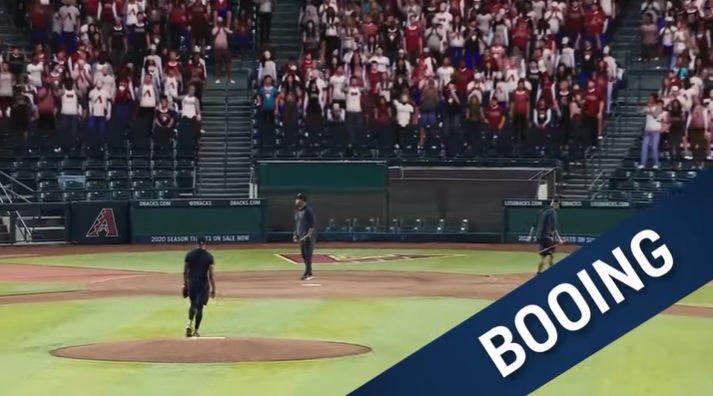
In an innovative response to the challenges posed by the global pandemic, Fox Sports has implemented groundbreaking technology to populate empty stadium seats with virtual spectators during live broadcasts. This creative solution aims to restore the familiar atmosphere of packed arenas for television audiences who have grown accustomed to the eerie silence of empty venues. The technology represents a significant step forward in how broadcasters are adapting to unprecedented circumstances while maintaining viewer engagement and the emotional intensity that fans expect from live sports events.
Revolutionary Technology Behind Virtual Crowds
The virtual crowd technology employed by Fox Sports utilizes sophisticated computer-generated imagery combined with real-time rendering capabilities. The system can generate thousands of individual virtual spectators, each with unique appearances, movements, and reactions that correspond to the action happening on the field. This technology draws from similar systems used in major Hollywood productions and video game development, where creating realistic crowd scenes has been a priority for years. The broadcasting team can adjust crowd density, behavior patterns, and even emotional responses based on game situations, creating a dynamic viewing experience that closely mimics authentic fan engagement.
Audio engineering plays an equally crucial role in this immersive experience. Fox Sports has incorporated ambient crowd noise that reacts appropriately to gameplay moments, from the roar of approval following a spectacular play to the collective groan of disappointment when the home team falters. Sound engineers have carefully studied recordings from previous seasons to ensure the audio landscape feels authentic and properly synchronized with visual elements. This attention to detail extends to creating distinct acoustic profiles for different stadiums, acknowledging that each venue has its own unique sonic characteristics that dedicated fans would immediately recognize.
Industry Response and Viewer Reception
The sports broadcasting industry has watched Fox Sports’ experiment with considerable interest, as networks worldwide grapple with similar challenges. Early viewer feedback has been largely positive, with many fans expressing appreciation for the effort to recreate normalcy during these unusual times. However, some purists have voiced concerns about the authenticity of the viewing experience, arguing that the absence of real crowds is an honest reflection of current circumstances that should not be masked by digital illusions. Broadcasting executives counter that their primary obligation is to provide entertainment and that the virtual crowd technology serves this purpose effectively without misrepresenting reality.
This technological adaptation joins a growing list of innovations that sports broadcasters have implemented during the pandemic era. Other networks have experimented with enhanced statistical overlays, multiple camera angles accessible through streaming platforms, and interactive features that allow viewers to customize their watching experience. The competitive pressure to deliver compelling content has accelerated technological development across the industry, potentially reshaping sports broadcasting permanently even after normal operations resume. Industry analysts suggest that some of these innovations may become standard features, offering viewers enhanced experiences that combine the best elements of in-person attendance with the convenience of home viewing.
The Future of Sports Broadcasting
Looking beyond the immediate circumstances, the virtual spectator technology raises fascinating questions about the future relationship between live events and broadcast audiences. Some industry observers speculate that this technology could eventually be used to offer personalized viewing experiences, where fans could theoretically see themselves represented in virtual crowds or choose different atmospheric settings for their viewing pleasure. While such applications remain speculative, the rapid advancement of augmented and virtual reality technologies suggests that the boundary between physical attendance and remote viewing will continue to blur in coming years.
The financial implications of this technology are also significant for sports organizations facing substantial revenue losses from empty stadiums. While virtual crowds cannot replace ticket sales, merchandise revenue, or concession income, they do help maintain the broadcast value of sporting events. Television contracts represent major revenue streams for professional sports leagues, and preserving production quality helps justify continued investment from networks and their advertising partners. As the sports world cautiously plans for eventual return to normalcy, the technologies developed during this period will likely remain as valuable tools in the broadcaster’s arsenal, offering flexibility and creative options that were previously unavailable.
Expert Opinion: The integration of virtual spectator technology marks a pivotal moment in sports broadcasting that extends far beyond pandemic-era necessity. We anticipate this technology will evolve into customizable viewing experiences where audiences can select their preferred atmosphere settings, potentially including historical crowd recreations for classic game replays. This innovation signals a fundamental shift toward hybrid broadcast models that will redefine fan engagement for the next generation of sports consumers.